
BLOG
Understanding the Difference Between Metro and Regional Freight Deliveries
Introduction
Freight delivery requirements vary significantly between metropolitan and regional areas. In Western Australia, businesses often manage both, making it important to understand how delivery conditions differ and how this affects logistics planning.
Understanding the Topic
Metro freight deliveries typically involve shorter distances but higher traffic volumes and tighter delivery windows. Regional deliveries cover longer distances and require extended planning.
Both delivery types require different approaches to scheduling, routing, and time management.
Common Issues or Considerations
Metro deliveries may be affected by congestion, restricted access zones, or limited delivery windows. Regional deliveries involve longer travel times and fewer alternative routes.
Businesses must also consider weather conditions, road access, and delivery frequency when planning regional freight.
Benefits of Professional Expertise
Professional courier and freight providers understand how to manage both metro and regional deliveries effectively. This includes realistic scheduling, route optimisation, and clear communication.
Local experience across Western Australia supports safer and more reliable freight movement.
Final Thoughts
Understanding the differences between metro and regional freight deliveries helps businesses plan more effectively. Tailored delivery strategies improve reliability and reduce operational uncertainty.






DISCOVER WHAT OUR CUSTOMERS HAVE TO SAY ABOUT US
REVIEWS
REVIEW US ON GOOGLE
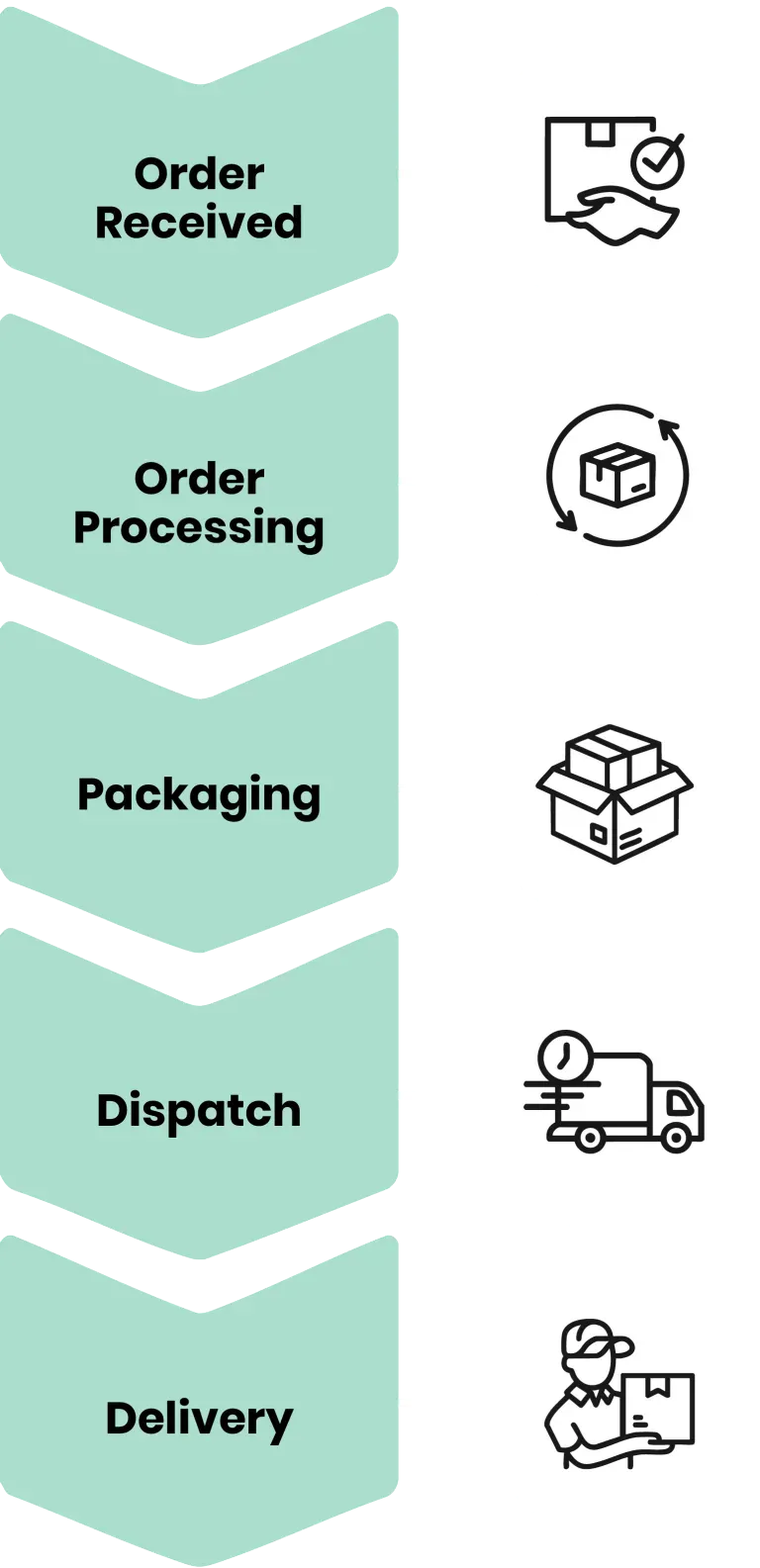
our process
Our process is simple and only contains a few simple steps

proudly serving these areas
Perth CBD
Joondalup
Kwinana
Midland
Claremont
Peel Region
South West WA
Wheatbelt Region
Great Southern Region
Goldfields–Esperance Region
READY TO take the next step?
get A quote TODAY!

